
In anticipation of his upcoming visit to MDC for our May Market event, we caught up with acclaimed interior designer, New York Times best-selling author, and television personality Vern Yip to explore the ideas that continue to shape his work today.
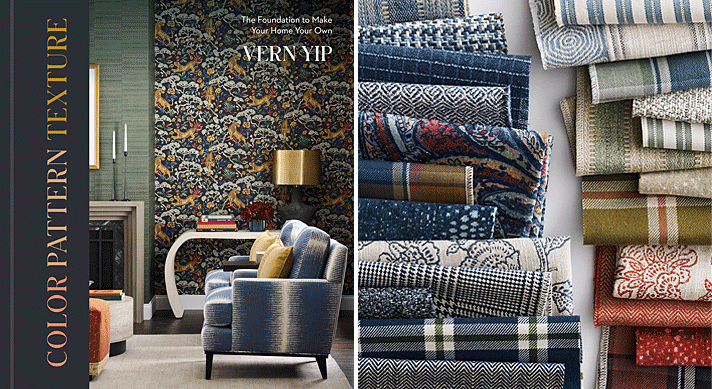
1. Many designers admire your ability to layer bold pattern in a way that still feels timeless and livable. In your new book, Color Pattern Texture, you say these three elements are the foundation that make a home feel truly personal. When you begin building a room, how do you start pulling those elements together?
Color, pattern, and texture are truly every designer’s three most powerful tools to create homes that reflect clients both functionally and aesthetically. That process really begins with open discussions with clients – encouraging them to be honest with themselves, and you, about what they want to see in their home. It requires digging deeper and getting clients to be vulnerable and transparent about what they love, what they’re passionate about, and what they respond to. It’s also an opportunity for clients to let inhibitions go by the wayside and let go of other’s expectations that they might try to bring to the table. Using color, pattern, and texture allows designers to shape spaces that reflect a client’s history, aspirations, and cultural background—while thoughtfully addressing how the room will be lived in and experienced. I think it’s important to give every person who uses the room an opportunity to weigh in on what they’d like to see, and from there we find the overlapping elements to develop the fundamentals of the room. You’ll never get all of the colors, patterns, and textures that everyone would like to see in one space, but by identifying the overlapping fundamentals, you’ll make sure that the critical aesthetic and functional aspects of the room reflect those using it.
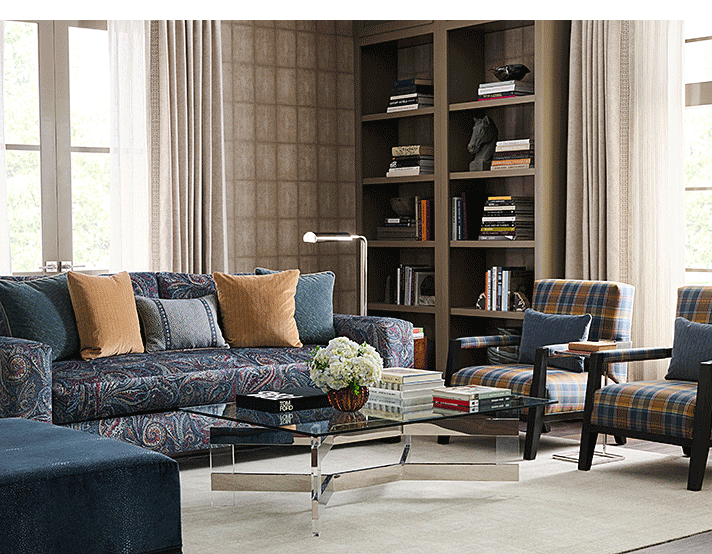
2. Your latest collaboration with Trend continues to expand with new wallcoverings, fabrics, and trims. As you developed the latest collection, what were you most intentional about adding with designers in mind?
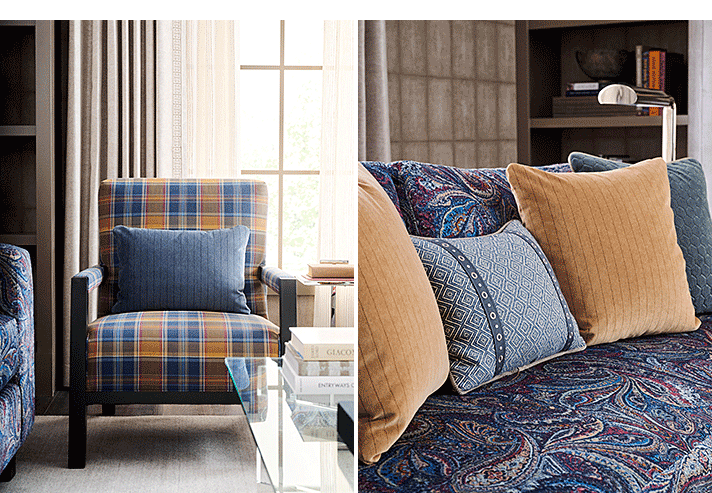
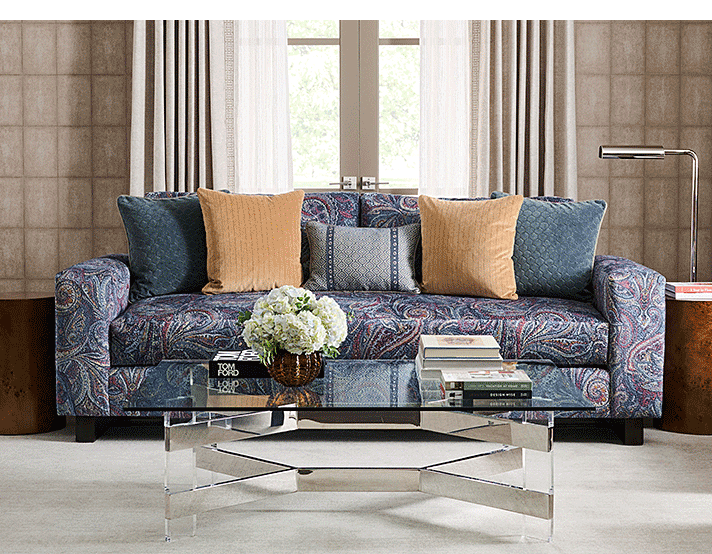
With every Vern Yip for Trend collaboration – whether it’s fabric, wallcovering, or trimming – we always aim to align with Trend’s mission to deliver high quality and high-end design in a more attainable fashion. That’s consistent across every collection. But what made these latest collections a little more unique, was the way we approached it. We came out with separate upholstery and window collections, that speak to each other, but are also very usable independently. On the upholstery side, we very much still ensured that the love for performance options, and the easy living and cleanability that they offer, was present…but this time with a fresh and dynamic color, pattern, and texture aesthetic that still manages to feel timeless.
People have always had a plethora of solid colored upholstery options, so this collection strives to offer a broader variety of upholstery colors, patterns, and textures that feel new but still very familiar…while adding in adding in some exciting design elements that feel unexpected but also comfortable. These updated classics have a little bit of an edge to them that make them fresh yet still very timeless. Many of the designs were influenced by menswear so they’re tailored and easy to layer within a room. Some of my favorites include a take on a velvet shagreen, a matelasse-look incorporating an equestrian theme, and some wonderfully adaptable plaids. We’re seeing a resurgence of patterns on upholstery, and this collection firmly aims to address that appeal.
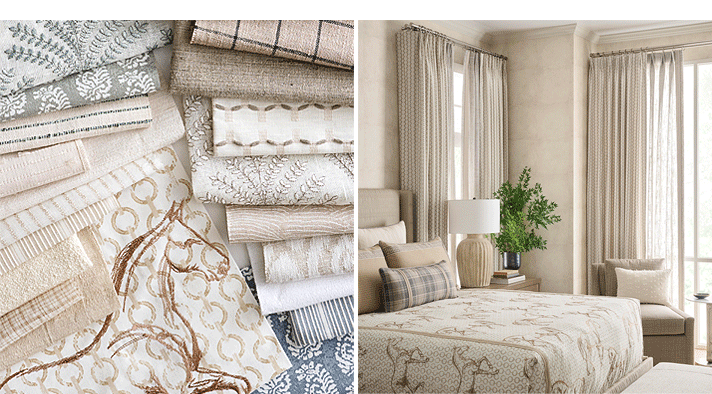
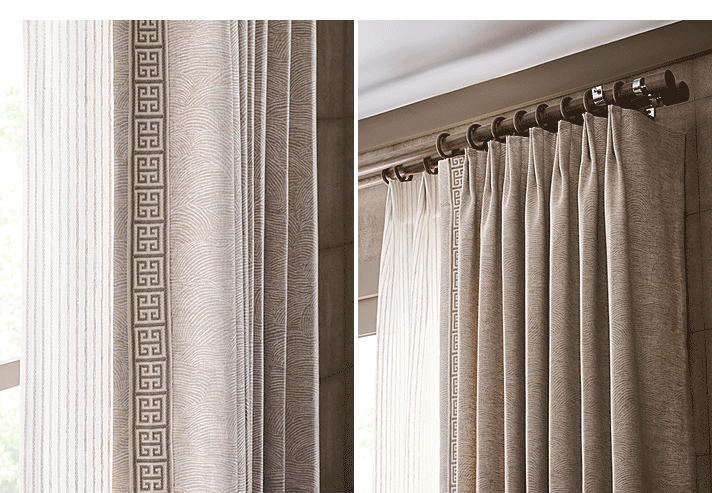
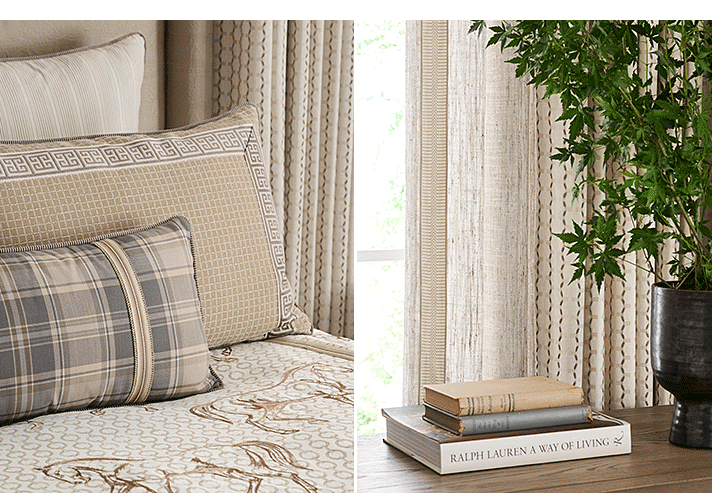
We have a separate collection that’s completely focused on the window. I love that because while we were creating the collection, we got to think about the window in a different light. Of course, everything is the right weight to drape effortlessly, and you’ll find the soft, flowing, breezy fabrics everyone loves. But you’ll also find drapery weight bouclés, velvets, equestrian looks, organic patterns, and plaids and pinstripes alongside wonderful sheers, that go beyond just solid plains, which allow the sheer to be the star of the window. And with both the window and upholstery books being designed together, they’re effortless to combine through color, pattern, and scale allowing layering that’s truly tailored to the homeowner.
3. Your collections consistently balance beauty with durability—something today’s clients increasingly expect. How do you approach designing textiles and wallcoverings that feel elevated but also support real life?
It’s important to me to design for real life, real families, and real living situations. Everybody can make a room look great for a photoshoot, a book, or a magazine. But it’s what happens after that photoshoot when people actually use the room with their kids, their spouse, and with their extended families and friends, that matters most. Our ability to leverage advanced manufacturing technology to make light-colored upholstery resistant to stains and durable enough for everyday use—even with children jumping on it—is truly revolutionary. Textures that you would’ve never deemed durable decades ago can now be attainably manufactured to go the distance. This intersection of high quality, design, and performance is always important to me because no matter how beautiful something is, it means nothing if it doesn’t endure or function. It’s always a challenge to develop products that achieve all those goals at an attainable price point, but it’s something I strive for. Staying on top of the latest manufacturing advancements, new technology, and performance properties is key for me to serve that need.
4. Your new TV series Home Reimagined on Magnolia Network and HBO Max takes viewers inside some truly unforgettable spaces—an old brewery, a schoolhouse, even an abandoned church. What impressed you most about the homeowners’ willingness to reimagine these unconventional structures as homes?
It’s interesting to follow the journey of people who are bold enough to transform something that was never intended to be lived in, into a home. These spaces were never originally designed to accommodate kitchens, or bedrooms with adjoining bathrooms sporting tubs and walk-in showers, so it’s amazing to see the effort and creativity that necessarily goes into these renovations to make them viable, luxurious homes. They’re literally trying to put square pegs into round holes in the most elegant way possible, but that’s what is so great about this show.
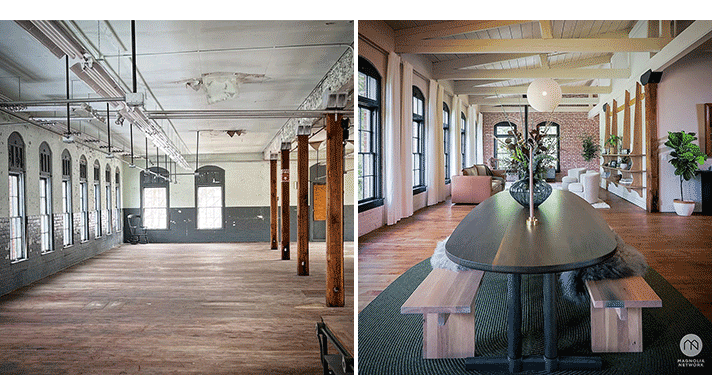
An 1800s garment factory thoughtfully transformed into a livable modern space, featured in Episode 1 of Home Reimagined. Images courtesy of Magnolia Network / HBO Max.
They’ve dared to dream and preserve some of the most unique architectural treasures and legacies of their community that have often been abandoned, making them into homes tailored to them both functionally and aesthetically. It’s a tall order, and it would probably be significantly easier, and less expensive, for them to purchase an old home or even build a new home instead of buying one of these buildings. These people, however, celebrate the heritage of these properties and how they contribute to the fabric of their communities and country, and that makes the show so inspiring—it has been an absolute privilege.
5. Having designed publicly for decades—from Trading Spaces to your current work today—what continues to inspire you creatively and influences how you think about interiors?
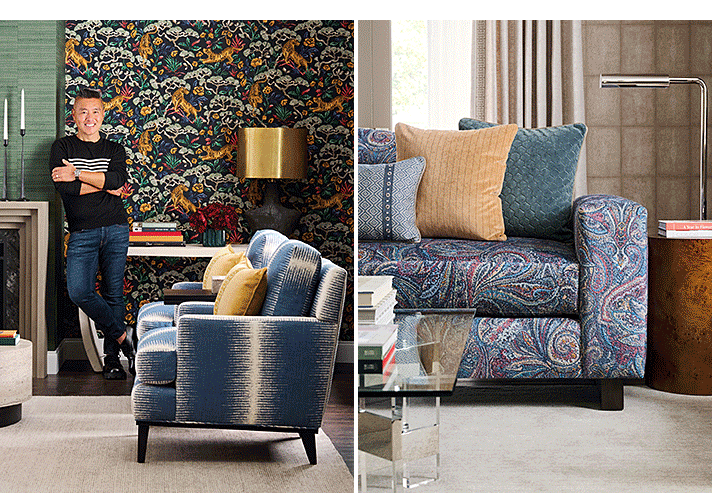
I’ve had the privilege and unique opportunity to gain insight into how people live – all kinds of families and living situations – and in every single state over the past few decades. I’m continually impressed and inspired by the spirit and innate drive required to make a home. We’re all aiming to create a physical environment where some of the most important moments of our lives can unfold with the most important people in our lives. It’s the setting where people oftentimes build a relationship with who will be their significant other, then start off life as a couple, get their first dog, and perhaps even raise children. Home is where so many milestones happen and I love seeing people embrace the idea of creating an ultimate environment for themselves. Through the years, I’ve seen people curating those personal spaces by foregoing trends, and taking the time to do a deep dive into what makes them tick, so they can optimize each space to create that ultimate, restorative, and nurturing home. That transcends state lines, gender, race, and religion – it’s a beautiful thread of continuity that I’ve found amongst everybody that home still remains their ultimate, most special place.
6. You’ll be a featured keynote speaker at Michigan Design Center this May. What is one mindset shift or practical lesson you hope that design professionals take away from your presentation—and perhaps begin using immediately in their own projects?
One thing that I hope designers take away is that, while it’s important to use your eyes and your vision to create the ultimate space for your clients, it’s even more important to use your ears. It’s about being so invested in your clients that you are doing more listening than talking. Of course, you have to be able to ask the right questions, but then listen carefully to attain those answers that you’ll need to create the most perfectly, tailored home for them. Being a good listener and getting invested in how your clients live sets you apart. The ultimate compliment a client can give me is when they say that they can’t believe that their home reflects them so personally and that they feel like I’ve crawled inside their head. All three of my books – Design Wise, Vacation at Home, and Color Pattern Texture – offer useful and practical tips, in an understandable and digestible way, for both designers and homeowners alike. At the end of the day, that purpose-driven design approach comes with me everywhere…including when I’m designing our fabric, wallcovering, and trimming collections with Trend.
7. A few years ago, you helped reimagine several spaces at the Grand Hotel on Mackinac Island—a property so many people associate with timeless American charm. What did you enjoy most about designing for such an iconic destination?
It was a huge privilege to have a hand in updating the Grand Hotel. Realizing how much history surrounds the property, and being respectful to that, while at the same time giving people more function, and stewarding it into the next decade and beyond, was an incredible experience. I really enjoyed entrenching myself in the roots of the property and its significant moments. Film was a spectacular source of inspiration, whether it was Esther Williams’s film This Time for Keeps that featured scenes filmed at the hotel’s pool, or the 1980s film Somewhere in Time, there are so many iconic movies and moments intrinsic to the hotel. We also took all the signature patterns and colors and the methodical and intentional layering that has become synonymous with the hotel into consideration when working on this project. Everything we did was in an effort to leave it better than when we found it – giving the Grand Hotel the ability and life to serve future generations so that it can be the place of happy memories for many generations to come.
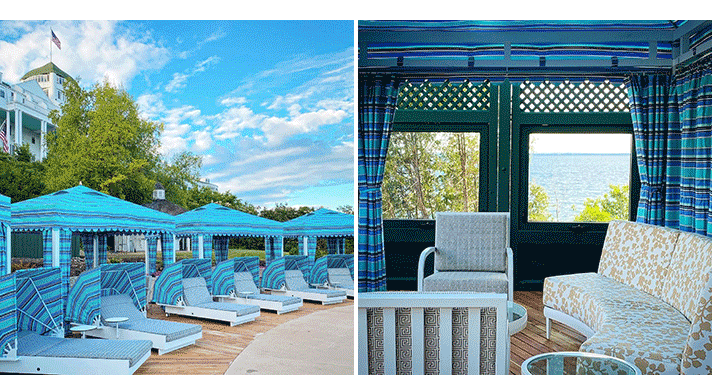
A refreshed take on an icon—Vern Yip brought new life to the Esther Williams Pool at Grand Hotel. Images courtesy of @vernyipdesigns.
Don’t miss the opportunity to hear Vern Yip in person on Day One of MDC’s May Market—Wednesday, May 6. Vern will be presenting his keynote, Color, Pattern, Texture: Design’s Three Most Powerful Tools, followed by an exclusive book signing at CAI Designs.