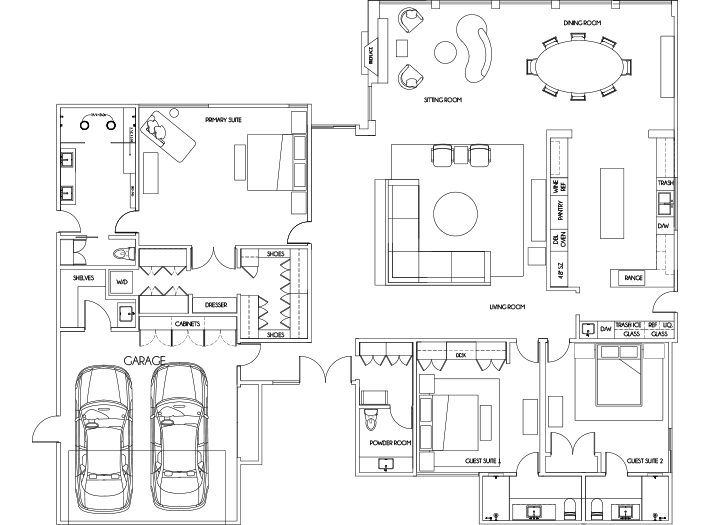
With so many options and decisions to make, a design project can feel utterly overwhelming. We chatted with Kevin Serba, of Serba Interiors, a leader in the industry for 40 years who shared his tips to help you get started.

What should homeowners look for when selecting an interior designer?
First, look at the designer’s work. That could be on their website, or I receive referrals based on work that I did for a client. Next, it’s important to get an idea of their experience. You want to make sure that they have the skill set to handle your project. You can also ask the designer for references.
Are there any red flags people should be aware of when looking for a designer?
I think experience is important. If you have a small project, then hiring a designer that’s just starting out can be a very good choice. But if you have an extensive project like a kitchen, an addition to a home, or new construction, I believe you need someone with experience who can make the project run smoothly and efficiently.
Before someone comes to you with their project, what should they have prepared?
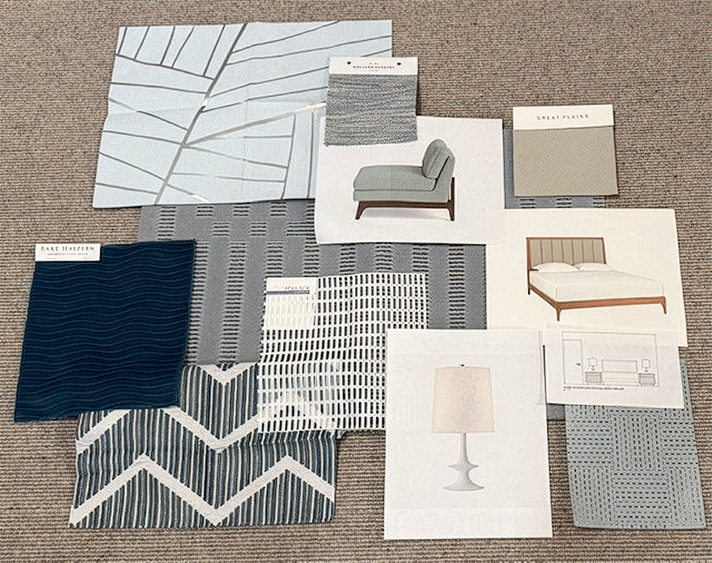
I think it’s helpful to have an idea of what they like. They can bring some photographs of spaces or objects that are appealing to them.
What should homeowners consider before starting their project?
Their budget. You may want to do a little research in advance so you have an idea of what things cost. Quality pieces have greater longevity. You also have much more flexibility and freedom designing your home with custom pieces. For example, there’s a wider range of fabrics or styles to choose from that may suit your lifestyle better.
Next, think about what price point you’re comfortable with as price points can vary. Most of my clients prefer to be in the middle. They don’t want to be at the low end where they sacrifice quality, and they don’t want to overspend either. I always tell my clients that you can have good quality and durability at a medium price point. Quality is so important. I always love it when I return to a client’s home after 10 years and the furniture looks just as good a decade later because they take really good care of it.
Talk to your designer about the budget as well. Especially if you’re embarking on a big project. They actively work with tradespeople, so they have a better understanding of the cost of materials and labor. It’s rare that a client has an unlimited budget, so it’s good to know where your comfort zone is.
Once they hire a designer, what’s the first step?
Have some ideas ready to share with your designer and know what you’d like to accomplish. Communication is critical. It’s also really important to establish a good team. An experienced designer often has a trusted team of tradespeople, builders, and architects to execute your plan.
What’s your process?
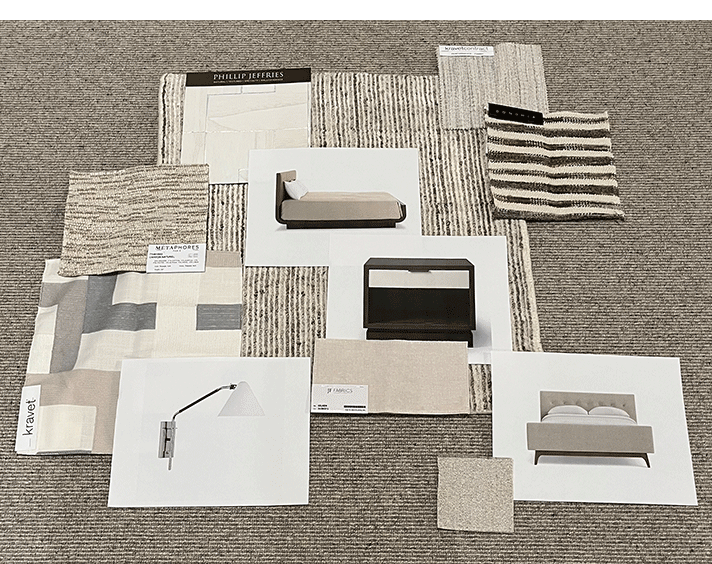
For example, if we’re decorating an interior and not doing construction, our process would be to put ideas and schemes together based on our conversations. If they’re a new client, that may take multiple conversations to ascertain what they like and dislike. I will put together several different schemes to get their feedback. Or we may go shopping, where I offer them curated choices so they aren’t overwhelmed.
Speaking of overwhelmed, homeowners can feel intimidated by the vast number of options and choices they must make. How much involvement should the homeowners expect? Should they expect that their designer will also act as the Project Manager?
I really want my clients involved in the decision-making process throughout the project. It’s best to know upfront if they don’t like something or want to make certain changes. There are some clients for whom I’ve done a lot of work that want me to make the bulk of the decisions. I’m always a little leery about that. I still present them with some important choices regardless.
When I’m selecting plumbing, fixtures, or tile for example, I will give clients maybe two or three options out of 1000s. That’s also why budget is important. I can direct them to products that I think will be the most efficient for them while staying within budget. It makes the process less overwhelming because you’re taking all the guesswork out.
As far as project management is concerned, the designer typically takes the lead. When it comes to construction projects, I give the client that option, but I think it’s very important to have a site manager. That person is usually associated with the builder or architect. I like to lay things out before we even break ground to make sure my clients are happy with the way things are going to flow and work for them. I stay involved throughout the whole process.
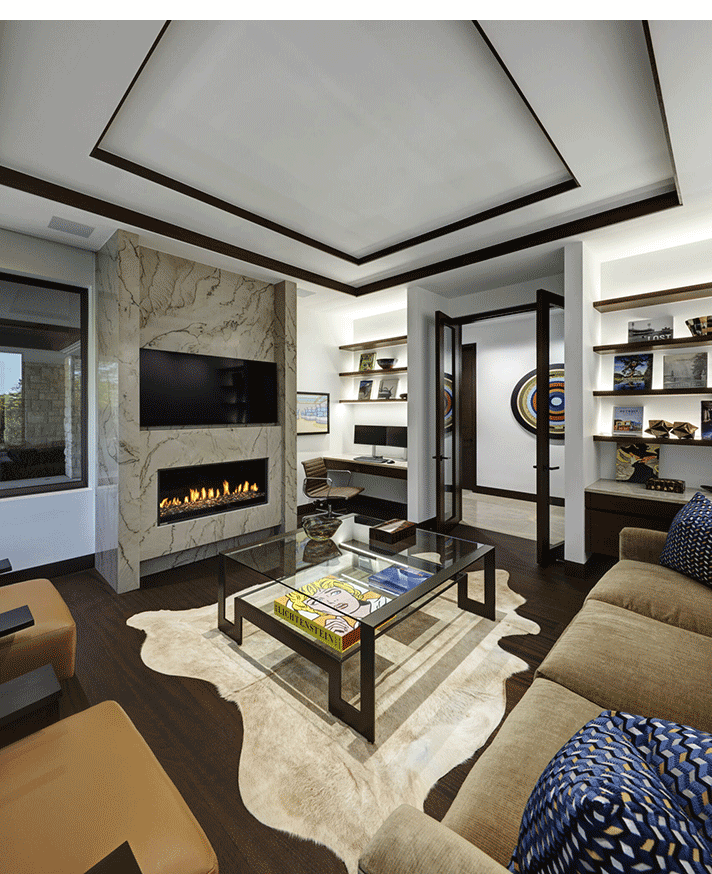
Photograph by James Hefner
With the proliferation of home renovation television shows, is it necessary to manage a client’s expectations? Are there other expectations that you need to address?
Certainly, it’s unrealistic to think that a project could be completed that quickly. Clients should get an idea upfront how long the process may take. The architect, builder, and the designer are responsible for making that clear to a client. It takes time to come to a decision on the products and specifications, and then it takes time for delivery.
A lot of people nowadays are used to going online, ordering something, and having it come in a few days. If you’re ordering something that is custom made, it’s not going to happen that fast. Quality and craftsmanship take time. It’s being constructed to your bespoke specifications. It could take a few months or more. If you want your furniture to be something you will have for a long time, it’s worth the wait.
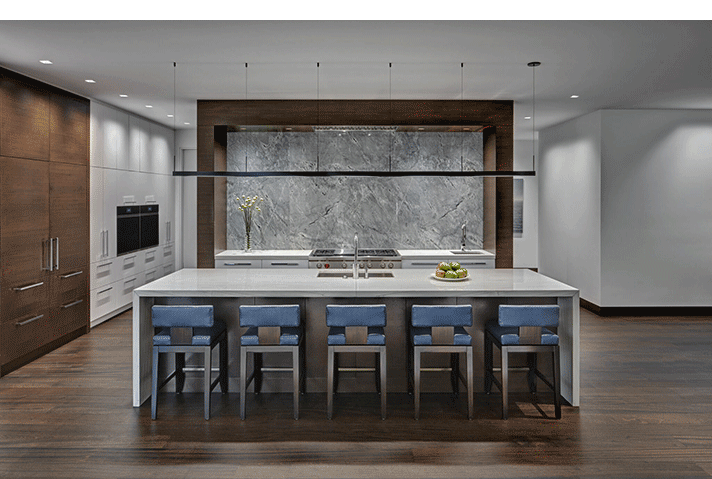
Photograph by James Hefner
How do you manage the impact of renovations or interior design on the homeowner's daily living?
If you’re doing a construction project, have some patience. It’s generally very disruptive to your life, but there are ways to make it less so. For example, if you’re redesigning an entire kitchen, and you have a lower level, you can convert that space into a temporary kitchen. Often when you’re renovating the whole home, it may take upwards of 18 months. In which case, it’s advisable to move out. Clients think they won’t have to move out, but more often than not, they do. I personally tried to live through it myself, and I did, but I would never do it again.
For interior-only projects we try to do everything at once. We don’t like to deliver a sofa without the end tables, lamps etc. because the client won’t have a full sense of what the room is really going to look like. They may second guess whether they made the right decision without the full picture. So, we typically wait until all the components are delivered to us. This allows us to paint or paper the walls and replace necessary flooring before putting the space together. I feel very strongly that the space should come together only once you have all the pieces.
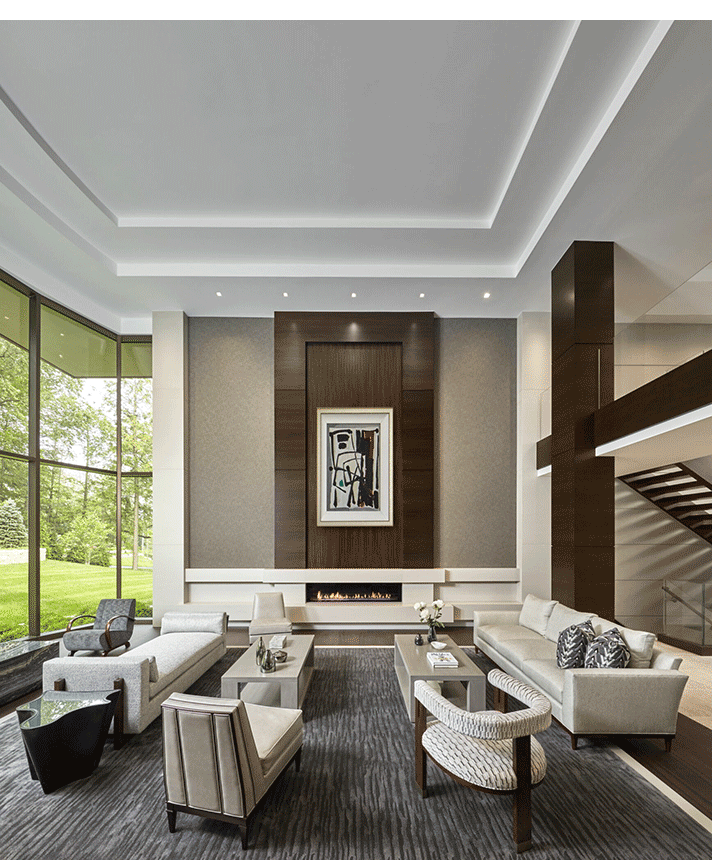
Photograph by James Hefner
Thanks for your time, Kevin, is there anything else that you’d like readers to know or consider when starting a project?
It can be a fun process, and I think a good designer can make it fun. I have clients that say they will miss working on the project after it’s completed—they really enjoyed it. Sometimes they ask: “My house is done. What am I going to do now?” That tells me I’ve achieved my goal. As a designer, I try to take as much stress out of the project as I can. I want all my clients to not only love their home, but to enjoy the process.